About Osteopathy
Osteopathy was founded in the 1800’s by Dr. Andrew Taylor Still. It is a manual therapy whereby the osteopathic practitioner uses hands on gentle manipulations and palpation to assess and treat the body. Dr. Still spoke of the “rule of the artery”, if arterial blood is free to move in and out of all areas of the body as it should, the body will be able to self heal and self regulate itself — find homeostasis. The osteopathic practitioner facilitates this process by removing restrictions and improving the body’s mechanics. The body does the rest, most of the healing process happens after the treatment.
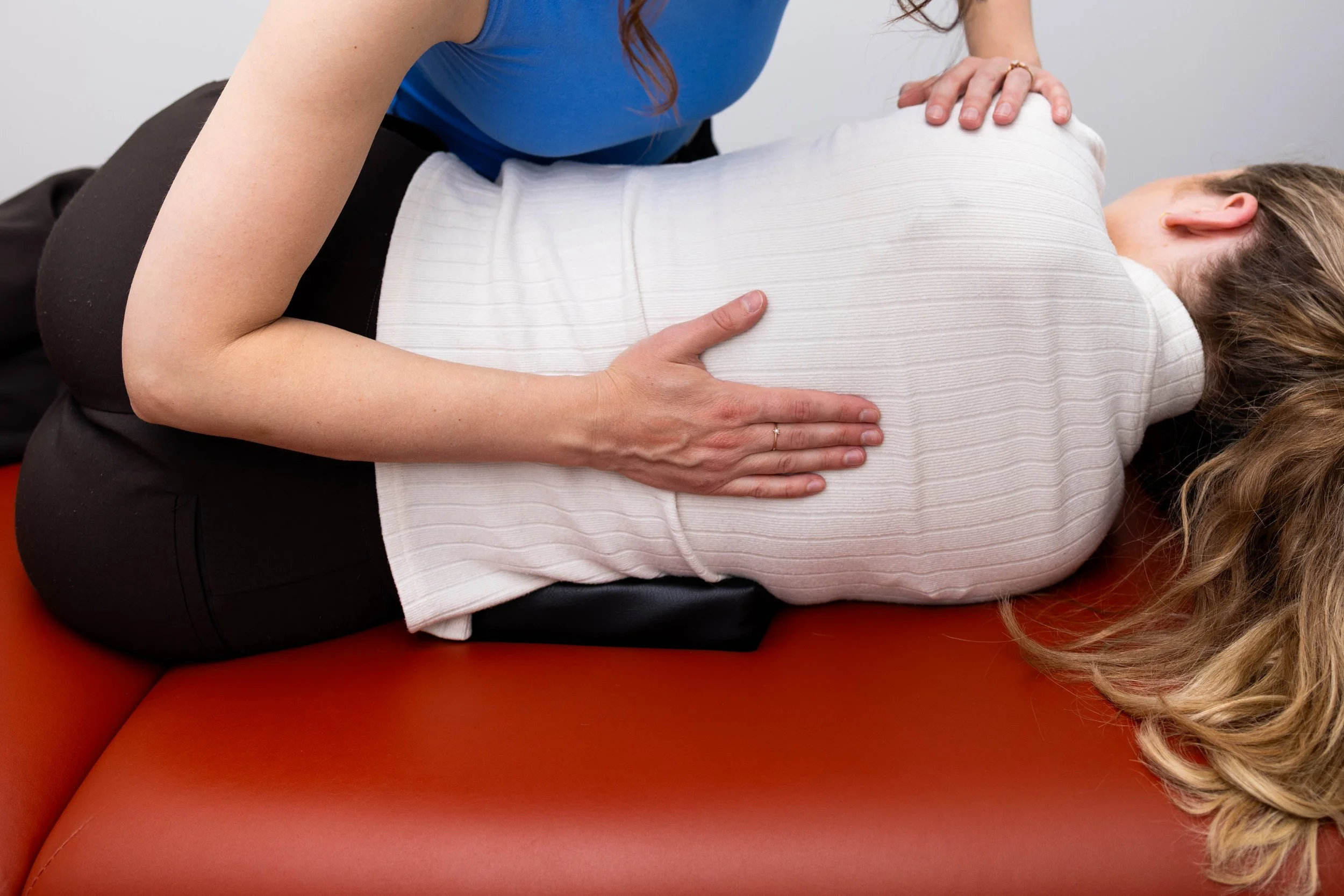
Osteopathy Helps:
Pain
Such as headaches, back pain, jaw pain and other areas of discomfort. Often the painful area isn’t the only thing contributing to the problem.
Injury
Acute and chronic injuries such as strains and sprains. Osteopathy supports the healing process so you can get back to doing what you love sooner.
Movement and Performance
Whether you are an athlete, dancer, weekend warrior or simply just want to move better and live an active life (whatever that means to you). Osteopathic treatment considers how your body moves and responds to load, supporting movement, recovery and performance.
Posture
Supports alignment so that you can go about your day with less muscular effort to stay upright.
Sleep and Relaxation
Treatment can encourage a more relaxed state and support the body’s natural recover processes.
Functional Processes
Such as digestion. Osteopathy looks at how the body is moving and adapting as a whole in order to uncover what may be influencing your symptoms. By facilitating health to all of the above categories, osteopathy can help promote health of all body systems in cohesion.
*Note: Osteopathic Manual Practitioners do not provide medical diagnoses. There are some circumstances when you may be asked for medical clearance before proceeding with treatment.
What is Osteopathic Manual Therapy?
Osteopathy was founded on the following core principles:
The body as a dynamic unit of function.
Structure and function are reciprocally interrelated.
The body contains the innate ability to self heal and self regulate.
The osteopathic manual therapist considers the interrelated nature of systems within the body and applies treatment in a way that works with the body, rather than imposing treatment upon it. We consider the fascia, muscles, bony framework, organ systems and neurovascular systems to free restrictions and facilitate the body’s ability to self heal and self regulate.
How do we do this?
Osteopathic treatment consists of gentle manipulations and palpation based on osteopathic structural assessments. I only treat areas in need of treatment and do so with the whole body’s mechanical picture in mind.
Each treatment is tailored to you.
Classical osteopathic treatment follows mechanical principles based on anatomy and mechanics. This means that each treatment is unique to the individual in that moment of time based on my structural assessment and palpation during that appointment. At In Rhythm Osteopathy I do not follow a pre-prescribed set of manipulations for a particular dysfunction, nor do I only treat the area of pain, but I search for the cause of dysfunction through the gentle removal of restrictions while considering the whole body as a system.
My Goal:
To help you move with more ease, less restriction and better rhythm. Most of the healing happens after the treatment as the body integrates changes. Ultimately, I want to help you to feel better and not rely on treatment indefinitely.